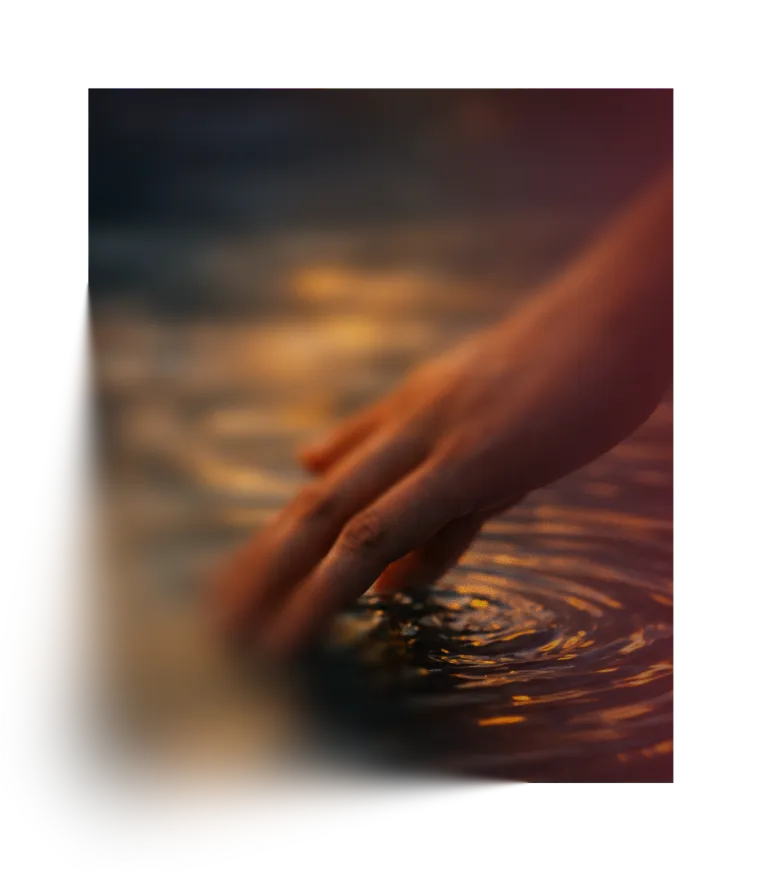
Balance is more than not falling— it’s the ability to stay in control, even when everything is changing.
The Beginning (Physical Level)
At first, you learn it physically.
You stay centered.
You step, turn, and move without losing control.
The Shift
But then something deeper begins to develop.
Deeper Meaning of Balance
Balance becomes your ability to adjust instantly.
To change direction without losing structure.
To respond to force—without fighting it.
Transformation
You’re no longer reacting…
you’re adapting.
You remain centered—
even while everything around you is in motion.
What Is Balance
Because life is always moving. Pressure, stress, change—it never stands still.
But when you develop true balance
You don’t get pulled off center
You stay grounded
You stay clear and in control
Not just in movement—but in life.
Why Balance
Why Balance Is Important
Without balance, everything feels harder.
Movement becomes stiff
Reactions slow down
Force overwhelms instead of flowing through you
The body becomes easy to disrupt. The mind tightens under pressure.
When Balance Develops
You move with freedom
You change direction instantly
You redirect force instead of resisting it
Your movement becomes lighter and more efficient.
Your reactions become calm, controlled, precise.
Your mind adapts—without tension.
This is the power of balance.
Stable… but not rigid.
Flexible… but not weak.
It’s the ability to stay centered—no matter what’s happening.
And this is why balance comes after stability and energy.
First, you build your foundation.
Then, you develop your power.
And only then…
you learn to flow.
How Balance Is Trained
Balance isn’t built by staying still— it’s built through movement.
This is where training becomes more dynamic, more responsive, more real.
TRANSFORMATION
Training Methods
You begin to explore balance through:
Stepping and shifting
Turning and changing direction
Partner exercises
Sensitivity training
Flowing movement patterns
Forms practice
Controlled reaction drills
TRANSFORMATION
What Your Body Learns
Through this, your body begins to understand:
How to shift weight with precision
How to stay centered while moving
How to adjust to incoming force
How to change direction without losing control
How to stay relaxed in motion
This is where training becomes interactive. You’re no longer just practicing alone—
you’re learning timing, distance, and coordination with another person.
Training Process
What Balance Develops
When balance begins to develop, everything feels different.
Your Movement
Lighter
More fluid
More coordinated
Internal Shift
You stop tensing up
You stop reacting instantly—you begin to adjust
You step instead of freezing
You redirect instead of colliding
You stay present instead of panicking
Mindset Evolution
More adaptable
More comfortable with the unexpected
More at ease when things don’t go perfectly
True Development
Balance develops the ability to stay centered while everything else is changing.
Balance in Daily Life
Balance doesn’t stay in training—it follows you into life. Life doesn’t suddenly become easier… but you become more adaptable.Balance doesn’t stay in training—it follows you into life. Life doesn’t suddenly become easier… but you become more adaptable.
You adjust quickly when things don’t go as planned
You stay calm under pressure
You recover faster when something goes wrong
You handle conflict with clarity and control
You know when to move forward—and when to step back
This is real balance. Not avoiding challenges— but staying centered through them.
Because when life shifts—and it always does— you don’t lose yourself in the chaos.
You stay grounded. Clear. In control. And from that place… you can handle anything.
How the First Three Phases Work Together
This is where everything begins to come alive.
Stability
Stability gives you your foundation
Energy
how strength and vitality move through you
Balance
how you adjust and adapt
On their own, each is powerful.
But together… they transform how you move—and how you respond.
You move without losing structure
You generate force without losing balance
You respond with control instead of reacting blindly
You stay calm—even in motion
This is the turning point. Where training stops being separate pieces… and becomes a complete system.
Not just something you practice—
but something you can actually use.
Balance Takes Practice
Balance isn’t something you think about—
it’s something you build.
The Process
Your body learns
It adapts
It refines
The Shift
What once felt unstable becomes natural. What once required effort becomes automatic.
Mastery
Not by avoiding mistakes— but by learning from them until your body no longer forgets.
Balance is developed through guided training, correction, and practice with others. You can begin developing balance through exploring the training options!