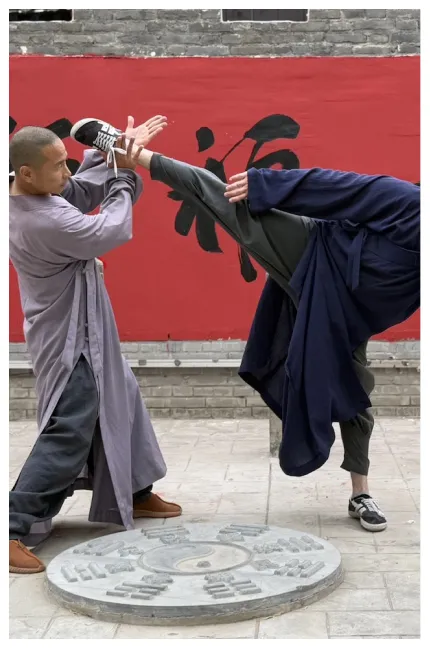
More than anything, it gives you clarity. Not just of where you are—but of who you are becoming.
What It Represents
The hours you showed up—when it was easy, and when it wasn’t
The corrections you embraced
The patience you developed
The awareness you cultivated
Certification becomes a marker of transformation— a record of how far you’ve come, not just in skill, but in character.
Deeper Shift
As you progress, something changes.
You’re not only learning for yourself. You begin to carry the system. To represent it. To live it with integrity.
The certification path gives structure to this journey—a way to measure progress and move forward with intention.
Purpose of Certification
Certification isn’t the goal— it’s a guide.
A simple way to understand where you are, and where you’re going next.
Certification is not pressure or a race—it’s simply a way to stay aligned and keep moving forward, one step at a time.
Why It Matters On this path, it’s easy to keep moving without noticing progress.
Certification brings clarity. It gives your journey structure and direction.
What It Helps You Do
Stay focused and moving in the right direction
See your progress step by step
Train with clear standards
Stay motivated over time
Grow into deeper learning—and eventually guide others
Different Meanings for Different People For some, certification is a personal milestone— a quiet reminder: I’m improving.
For others, it opens the door to something more— to teach, support, and guide others.
The Certification Path
The system follows a structured development path. Each level represents growth in body, movement, breath, and understanding.
Foundation
Stability, posture, basic movement
Advanced
Balance, partner work, application
Senior Instructor
Deeper system understanding
Intermediate
Energy, coordination, forms
Instructor
Teaching ability and responsibility
Disciple
Long-term commitment and transmission
Evaluation Criteria
Certification evaluates more than technique. It ensures complete and balanced development.
Posture and structure
Balance and coordination
Breathing and endurance
Forms and movement quality
Discipline and consistency
This ensures students don’t just learn movements— but develop the qualities behind them.
CERTIFICATION AND LINEAGE
Becoming Part of Something Bigger
As you progress, something subtle begins to shift.
You’re no longer just learning— you’re becoming part of something larger.
A lineage. A living tradition. A standard carried forward through people.
Responsibility
With that comes responsibility. Not pressure— but purpose.
You begin to represent the training through:
How you move
How you act
How you support others
Higher Levels
At higher levels, certification shifts from doing more to being more—more consistent, more grounded, more aligned, and more willing to support others.
Deeper Meaning
Over time, progress becomes not just personal but contributive, where certification evolves from recognition into trust—a sign that you are ready not only to grow, but to carry the path forward.
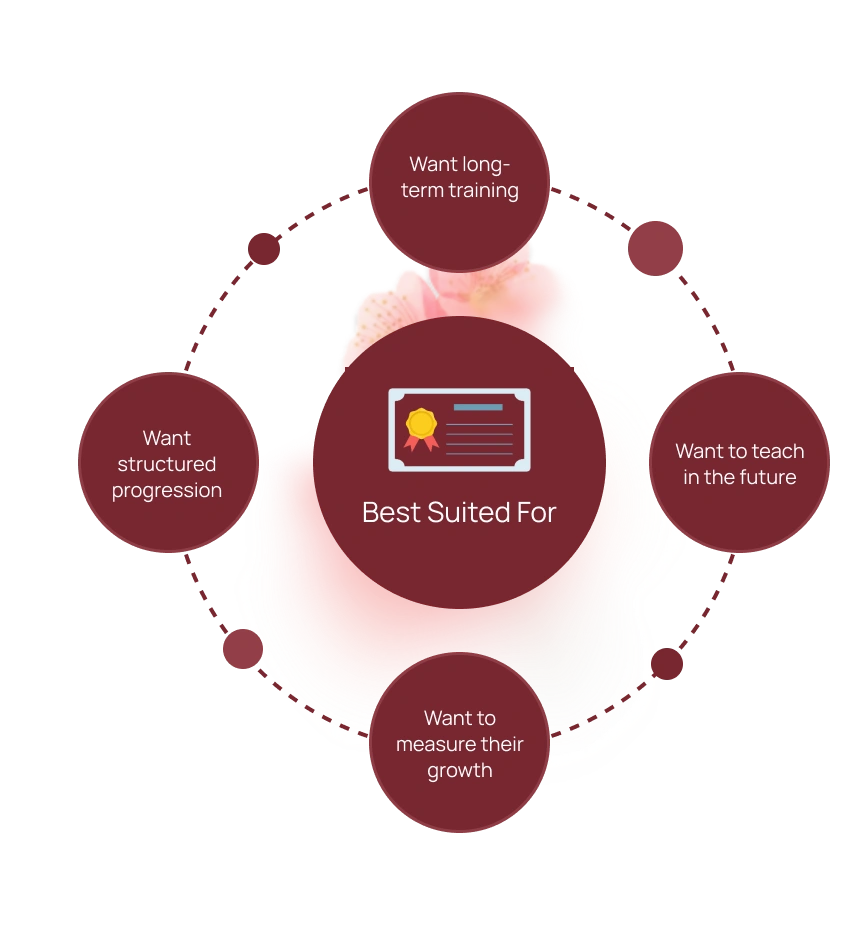
Who Certification Is For
Certification is not required for every student. Some train for health.
Some for personal development. Some for martial skill.
Students seeking short-term training do not need to focus on certification.
Before Certification
Certification should never be rushed. Training matters more than testing.
Focus Areas
Standing
stillness and alignment
Correct posture and breathing
Regular training habits
Standing
stillness and alignment
Standing
stillness and alignment
Understanding of the Five Phases
Daily practice
Standing
stillness and alignment
Train and Progress Through the System
If you’re interested in long-term training and want to follow the certification path, you can begin here: