
Daily Practice
Living Kung Fu is not something that exists only within classes or retreats.
It is not built in occasional moments of intensity—
but in small, consistent moments of correct practice, repeated over time.
Quiet. Steady. Intentional.
When Practice Becomes You
It is through these daily repetitions that training begins to sink deeper—
beyond technique, beyond effort—
into the body itself.
Until it is no longer something you have to remember to do.
It becomes:
Daily practice transforms training into embodiment.
It is how the art stops being something you visit— and becomes something you live.
How you move
How you breathe
How you carry yourself

What Is Daily Practice
Daily practice is not about intensity.
It is not about pushing harder or doing more.
It is about returning consistently to
what matters.
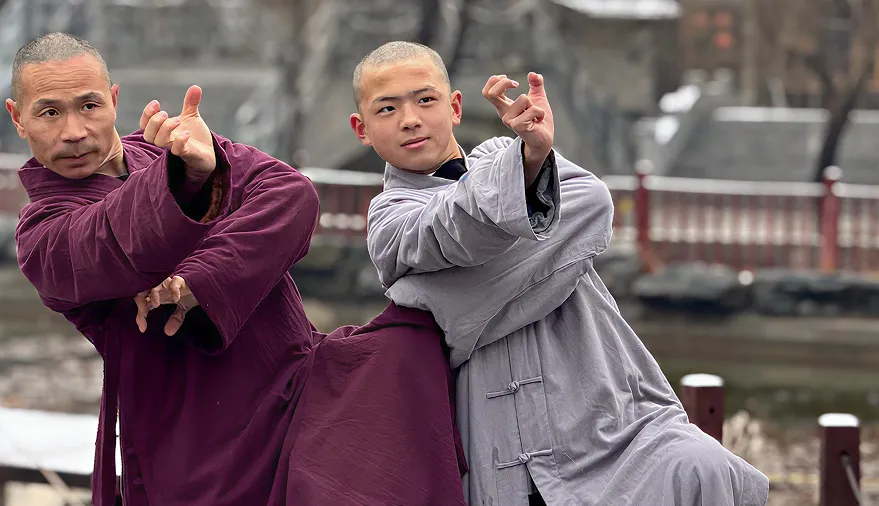
Transformation doesn’t come from extremes.
It comes from precision, repetition, and presence.
A few minutes, done correctly each day,
will take you further than occasional bursts of effort.
BALANCE DEVELOPS
What It Refines
Daily practice strengthens the essentials
01
Structure
how you hold yourself
02
Breathing
how you regulate energy
03
Coordination
how your body moves as one
04
Balance
how you adapt and stay centered
05
Attention
how present you are
BALANCE DEVELOPS
How It Looks
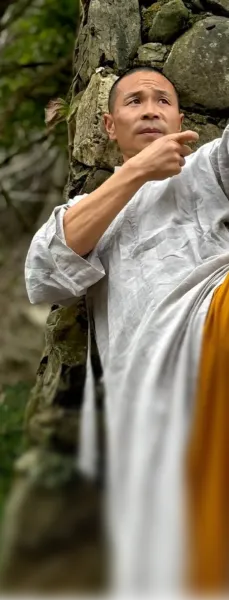
Through simple, foundational work:

01
Standing Practice
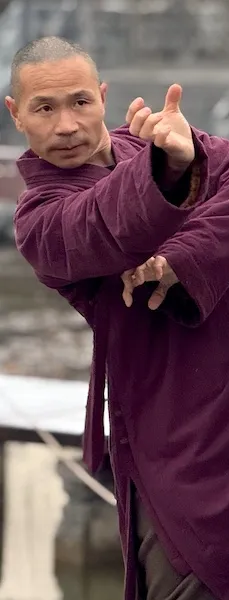
02
Basic Movements
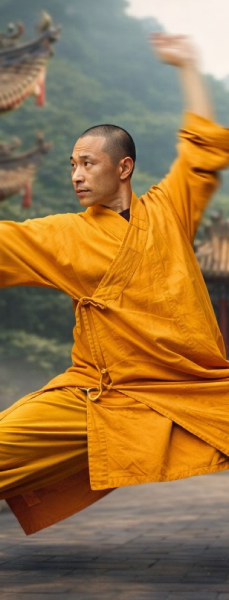
03
Basic
Stepping
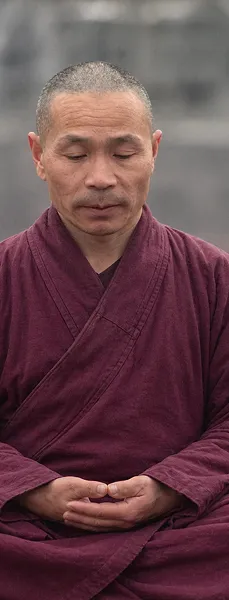
04
Breathing Exercises
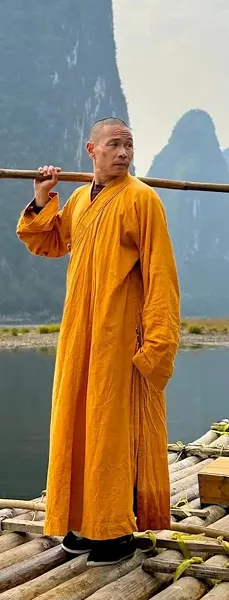
05
Shor
forms
TRANSFORMATION
Goal
The goal is not to exhaust the body—
but to educate it.To remind your body,
again and again
How to move correctly
How to breathe naturally
How to return to alignment
And over time, these reminders become identity.
BALANCE DEVELOPS
Why Daily Practice
Matters
If you train occasionally, the body learns—and then forgets.
But when you return each day, even briefly, something different happens.
The body begins to remember—deeply.



Through repetition and consistency
Learning becomes internal
Posture and breathing refine
Discipline becomes stable
Stress reduces
Focus sharpens
Core Role
Daily practice becomes the anchor.
It preserves what you’ve learned
and builds the foundation for long-term skill
Fundamental Truth
It is not intensity that transforms you.
It is consistency.
Not what you do occasionally—
but what you return to, again and again.
Result
- This is how the body changes.
- This is how the mind evolves.
- This is how the practice becomes part of you.
What Daily Practice Includes
A powerful daily practice does not need to be complex.
Its strength lies in simplicity.
Core Components
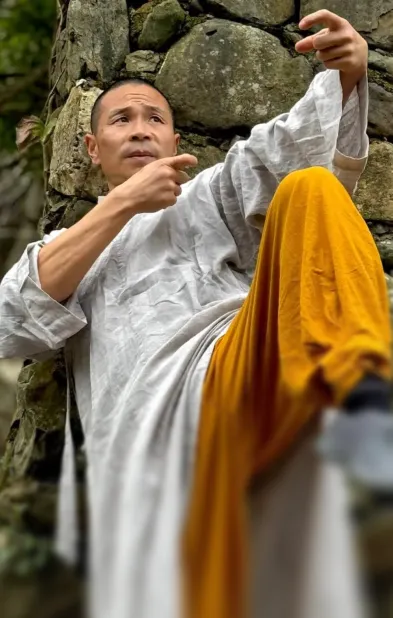

Standing
stillness and
alignment
Standing
stillness and
alignment
Standing
stillness and
alignment
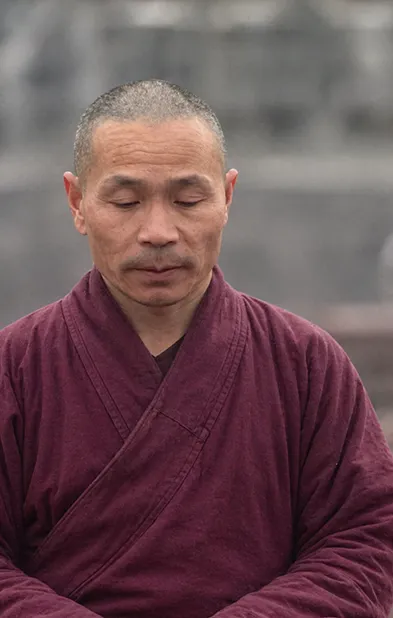
Standing
stillness and
alignment
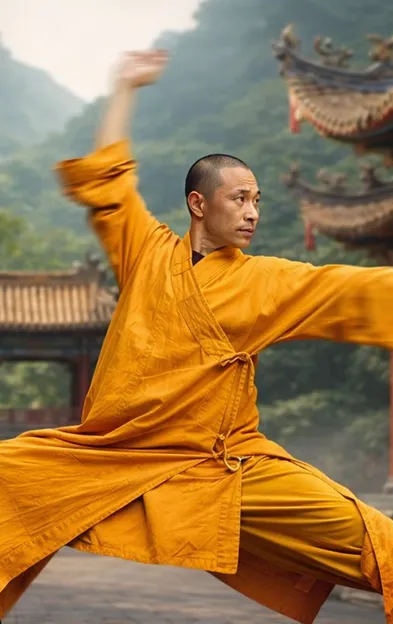
Standing
stillness and
alignment
Standing
stillness and
alignment
Standing
stillness and
alignment

Standing
stillness and
alignment
Nothing excessive. Nothing rushed.
Even 20–30 minutes of correct daily practice creates profound change over time.
This is where true harmony begins.
Not force. Not tension.
But strength with ease… power with flow.

-
MORNING PRACTICE
-
Morning Practice
The way you begin your morning shapes everything that followBefore the world pulls your attention outward,
morning practice brings you back to yourself.Simple. Grounding. Intentional.A short session may include:
- Light stretching—to awaken the body.
- Standing practice—to establish structure.
- Breathing exercises—to regulate and center.
- Slow, deliberate movements—to connect everything together.
And from this, subtle but powerful shifts begin to unfold.
- The body wakes up with clarity, not tension.
- The breath becomes steady, not rushed.
- Posture aligns naturally.
- Focus sharpens—without force.
You don’t just start the day. You set the day.
Because even a few minutes of morning practice doesn’t just change how you feel in that moment— it changes how you move through everything that follows. -
EVENING PRACTICE
-
Evening Practice
Evening practice has a different purpose.It is not about preparing you for action — it is about guiding you back to stillness.After a full day of movement, pressure, and mental activity, this is your moment to release… to reset… to return.The practice becomes slower. Softer. More internal.- Stretching—to let go of accumulated tension.
- Gentle movement—to unwind the body.
- Breathing exercises—to quiet the system.
- Standing or meditation—to settle the mind.
And gradually, everything begins to downshift.- Stress dissolves.
- The nervous system calms.
- The body softens.
- The mind becomes quieter, clearer.
You don’t carry the day with you into the night. You let it go.
And in doing so, you create the conditions for deeper rest, better recovery, and a more balanced state—ready to begin again the next day. -
WEEKLY RHYTHM
-
Weekly Rhythm
Daily practice becomes even more powerful when it is supported by a clear rhythm.Because growth is not just built through effort — it is built through intelligent balance.A simple weekly structure creates that balance:- Daily personal practice—to maintain connection and consistency.
- 2–3 longer sessions—to deepen skill and challenge the body.
- 1 rest day—to allow full recovery.
- 1 lighter day—to restore, refine, and reset.
This rhythm does something subtle, but essential.
- It allows the body to improve without breaking.
- To adapt without becoming exhausted.
- To grow without injury.
Because real training is not just about how hard you push.It is about how well you recover.
How consistently you show up.
And how intelligently you pace the journey.This is how progress becomes sustainable.
This is how training becomes something you can continue—not just for weeks or months… but for life.
Morning Practice
Before the world pulls your attention outward,
morning practice brings you back to yourself.
A short session may include:
- Light stretching—to awaken the body.
- Standing practice—to establish structure.
- Breathing exercises—to regulate and center.
- Slow, deliberate movements—to connect everything together.
And from this, subtle but powerful shifts begin to unfold.
- The body wakes up with clarity, not tension.
- The breath becomes steady, not rushed.
- Posture aligns naturally.
- Focus sharpens—without force.
You don’t just start the day. You set the day.
Because even a few minutes of morning practice doesn’t just change how you feel in that moment— it changes how you move through everything that follows.
Evening Practice
- Stretching—to let go of accumulated tension.
- Gentle movement—to unwind the body.
- Breathing exercises—to quiet the system.
- Standing or meditation—to settle the mind.
- Stress dissolves.
- The nervous system calms.
- The body softens.
- The mind becomes quieter, clearer.
You don’t carry the day with you into the night. You let it go.
And in doing so, you create the conditions for deeper rest, better recovery, and a more balanced state—ready to begin again the next day.
Weekly Rhythm
- Daily personal practice—to maintain connection and consistency.
- 2–3 longer sessions—to deepen skill and challenge the body.
- 1 rest day—to allow full recovery.
- 1 lighter day—to restore, refine, and reset.
This rhythm does something subtle, but essential.
- It allows the body to improve without breaking.
- To adapt without becoming exhausted.
- To grow without injury.
It is about how well you recover.
How consistently you show up.
And how intelligently you pace the journey.
This is how progress becomes sustainable.
This is how training becomes something you can continue—not just for weeks or months… but for life.
Daily Practice and Modern Life
A common belief is: “I don’t have time.”
But real practice was never meant to take over your life—
it was meant to fit into it.
Reality
Transformation doesn’t require hours. It requires consistency.
10 minutes in the morning
10 minutes in the evening
Done regularly, creates lasting
change.
Reality
Practice can happen anywhere:
At home
In a park
In a quiet room
While traveling
You don’t need perfect conditions—you need rhythm.
Start Your Daily Practice
Daily practice is the bridge between what you learn—and who you become.
It is where training leaves the training space
and begins shaping your everyday life.